Lucy Zodion
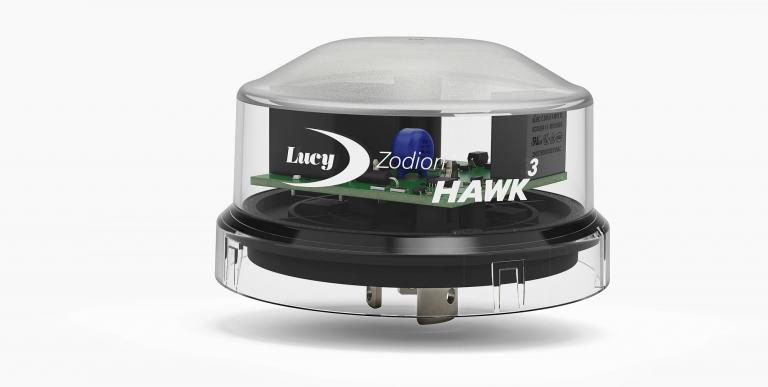
HAWK3 Photocell
Next generation
street light control
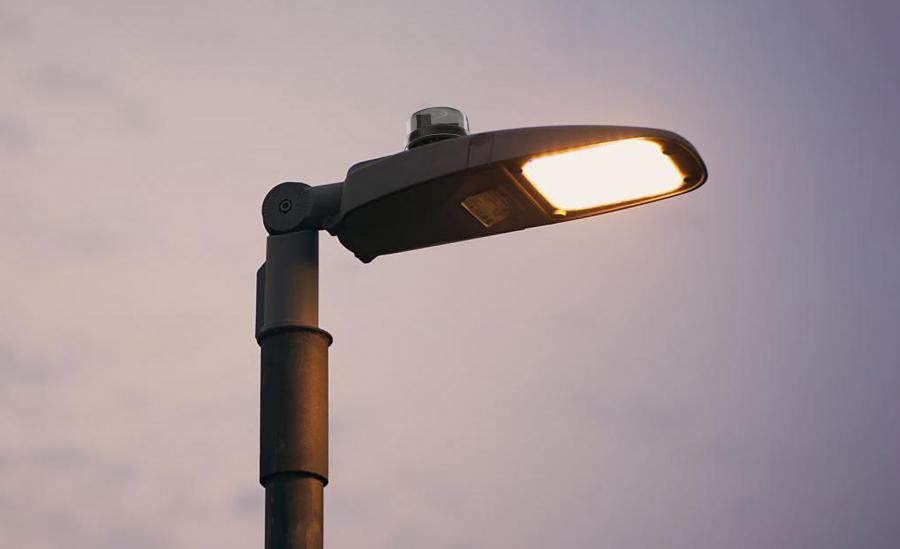
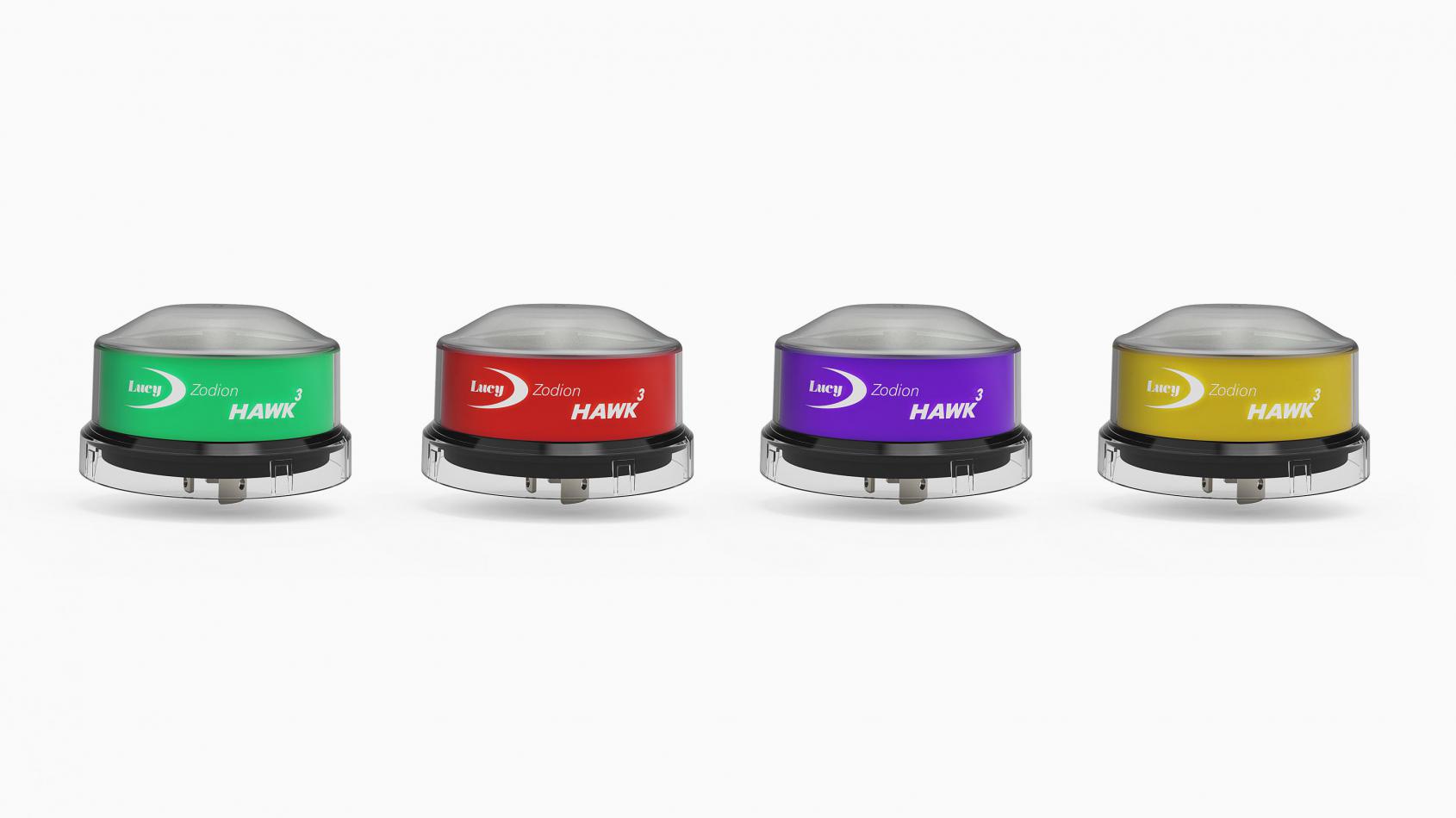
Partnering with Lucy Zodion, IDC developed a new range of digital switching photocells to bring the highest level of control to street lighting, while being sustainable.
Advanced control and sustainability
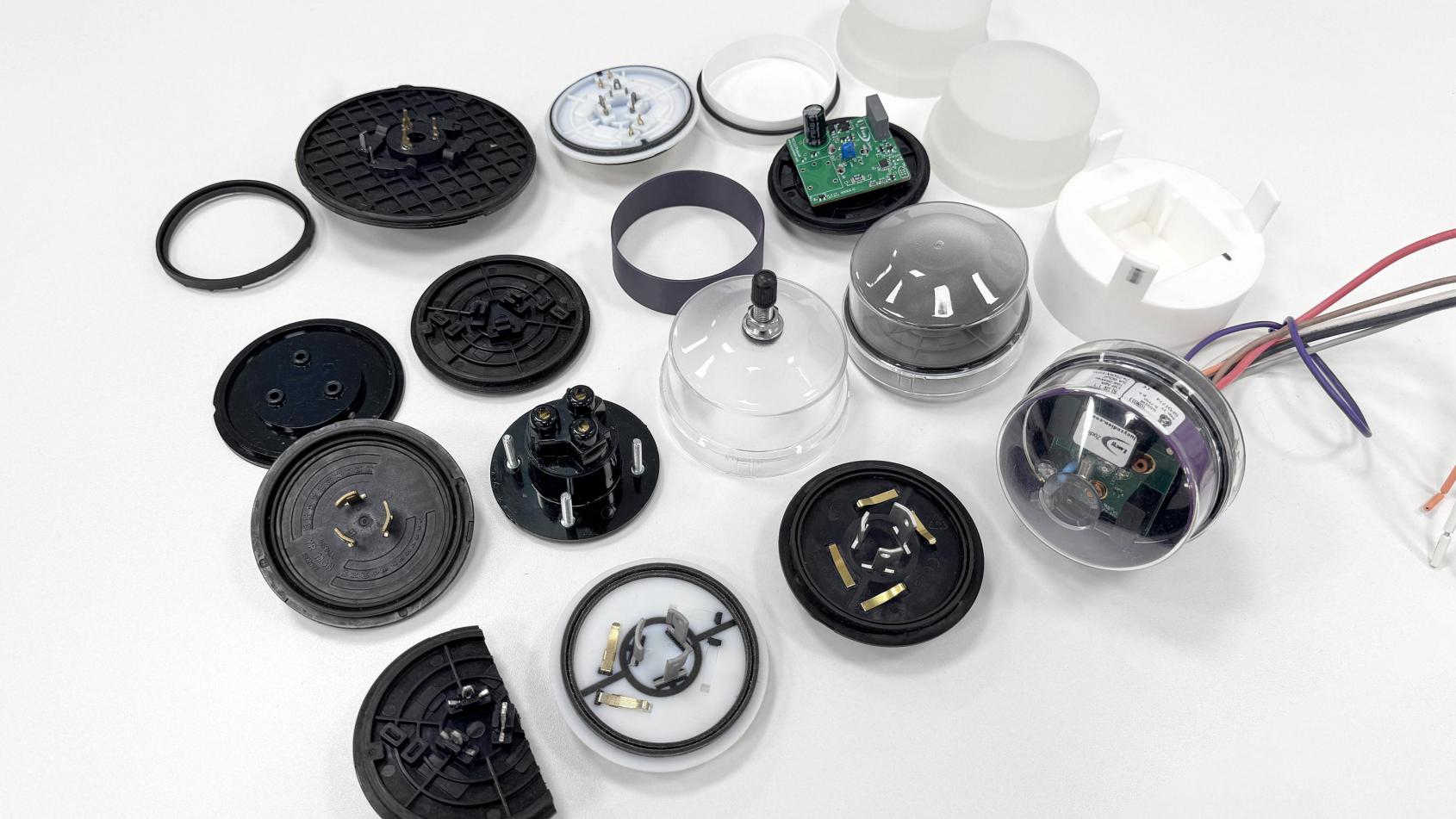
Lucy Zodion wanted to upgrade its analogue switching photocell range to digital, offering benefits of accuracy and programmability for easy integration. Lucy was also keen to simplify both the assembly and disassembly of the product, with a focus on how parts could be removed for recycling. The new range was to offer six different configurations of switching photocells for various pin sockets.
Research to inform concepts
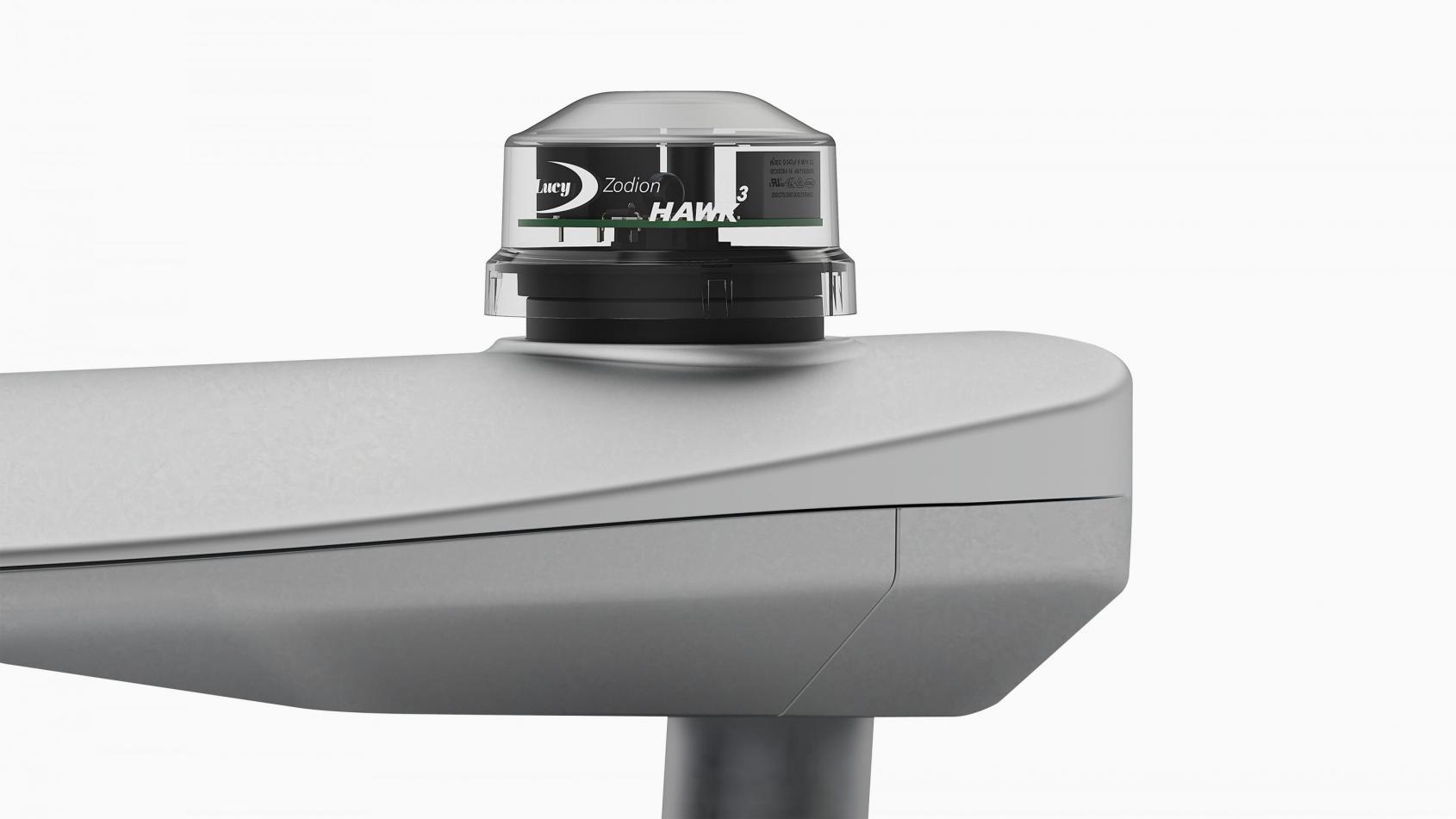
IDC’s engineers initially conducted research to understand the best approach by looking at competitor products, materials and build. The previous product had used adhesives and rivets making it difficult to disassemble and recycle at the end of life. This design had also suffered from sealing and ingress issues. With this in mind, the team produced concepts which focused on ease of assembly/disassembly and better ingress protection for the new product.
Overmoulded seals - the solution for ingress protection
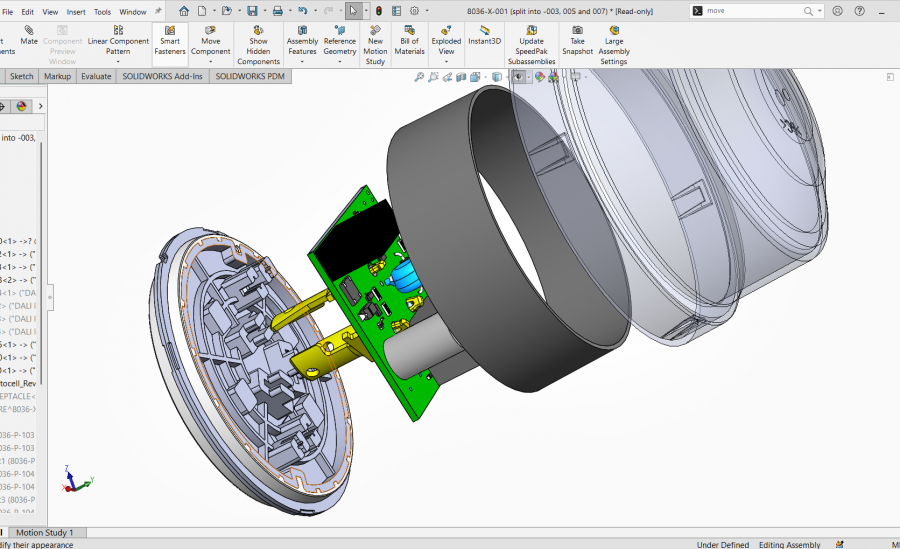
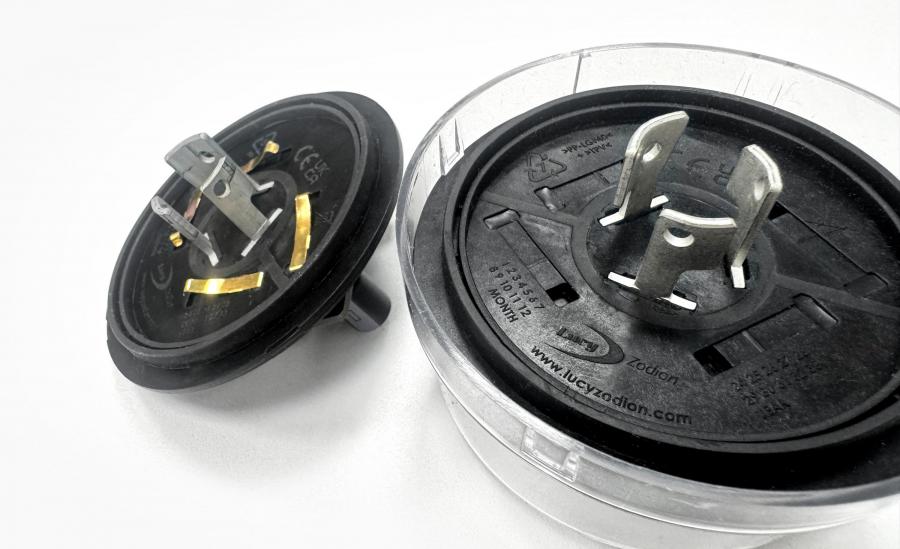
The chosen concept was completely unique in the market. It comprised a basic unit with sophisticated overmoulded seals, which could be configured individually with the right number of pins, and with the functionality controlled by a simple software adjustment to the PCB. The main challenge in designing this was to ensure that the seal was maintained when pins were added, to prevent ingress of moisture. IDC’s engineers developed an innovative arrangement of rigid and soft seals which effectively formed around the pins as they were clicked into place, creating angles of overlap and material compression to make the device entirely watertight.
CT Scans and testing to verify seal geometry
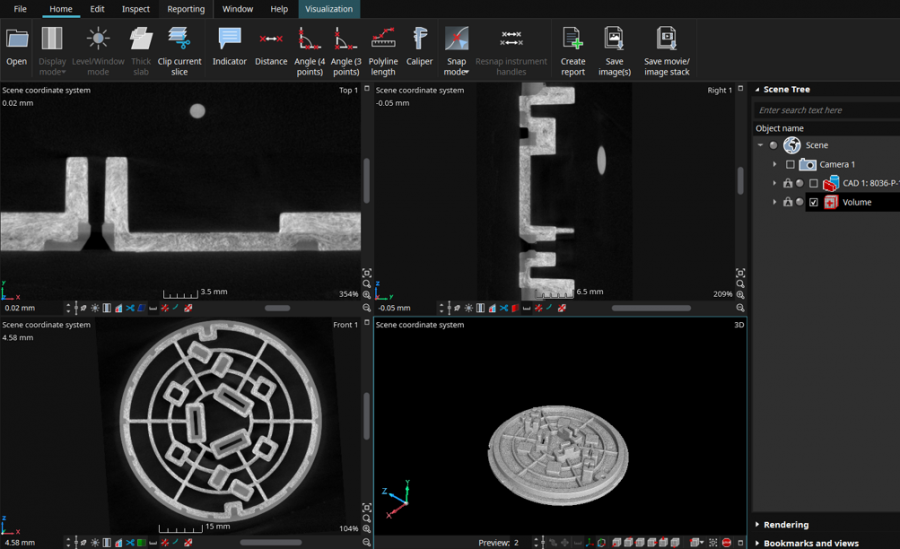
Prototypes were extensively tested in house and externally, and the device was rated to IP67 ensuring high level ingress protection. As well as this, the team partnered with a specialist inspection company which used CT scans of the injection moulded samples to verify the seal geometry. As the product was being manufactured in China, IDC’s team in Shanghai was able to support the transfer to manufacturing by being on the ground to ensure specifications were met and help with any language issues.
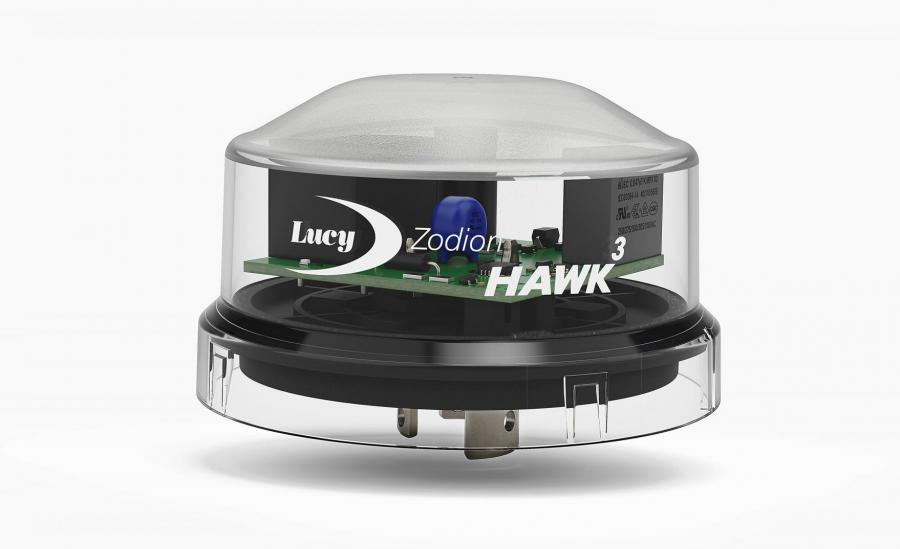
Our involvement in the development of HAWK3:
- Product research
- Competitor insight
- CAD design for manufacture
- Industrial design
- Prototyping
- Tolerance stack analysis
- Performance testing
- Materials specification
- Tooling management
- Verification testing



Sign up to receive our top resources on product development and innovation.