Injection Pen Development: Considerations, Trends and Materials
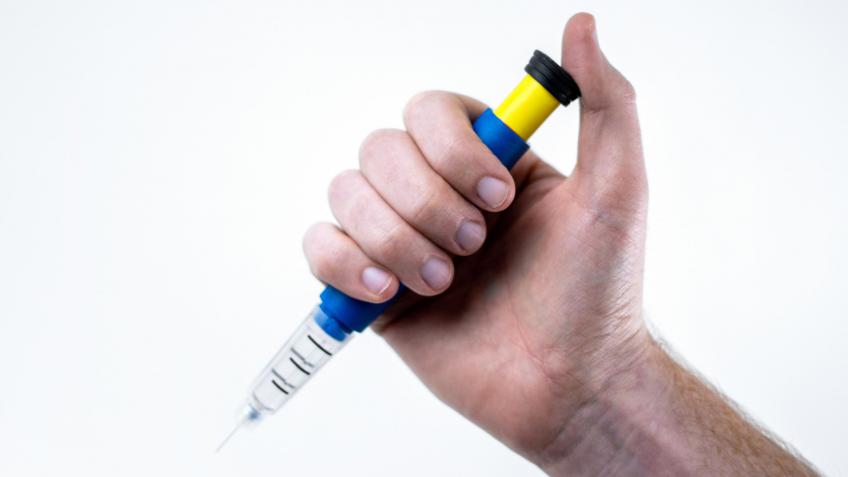
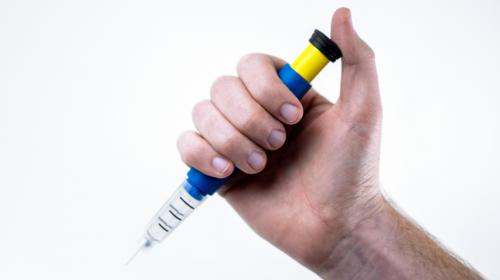
The market for injection pens and auto injectors continues to grow rapidly as more biologics, insulin therapies and GLP-1 medicines are developed for self-administration. Increasing numbers of injectable therapies are moving from hospitals into the home, placing greater emphasis on the design of reliable, intuitive and cost-effective drug delivery devices.
Developing a successful injection pen requires more than good mechanical engineering. Regulatory approval, patent strategy, human factors, material selection and manufacturing all need to be considered from the outset. A well-planned development not only reduces technical risk but also creates a platform that can support multiple products and future drug formulations.
A Regulatory and Patent Strategy is Vital to Commercial Success
Injection pens and auto injectors operate in one of the most heavily patented areas of medical device development. Developing a device without considering IP and regulatory requirements is a recipe for disaster, wasting years and potentially millions of dollars of investment.
Patent strategy should therefore begin before detailed engineering. In most cases the objective is not only to develop a successful injection pen but more often to develop a proprietary platform that can potentially support disposable and reusable, fixed and variable dose devices using common components and mechanisms. This platform must avoid competitor patents while generating valuable intellectual property of its own.
Regulatory planning should follow the same approach. Injection pens must comply with ISO 11608, together with the specific requirements for drug/device combination products. Successful approval depends upon structured planning, risk management, verification, validation and comprehensive technical documentation throughout the project. A device technical file is not something which can be created after the event.
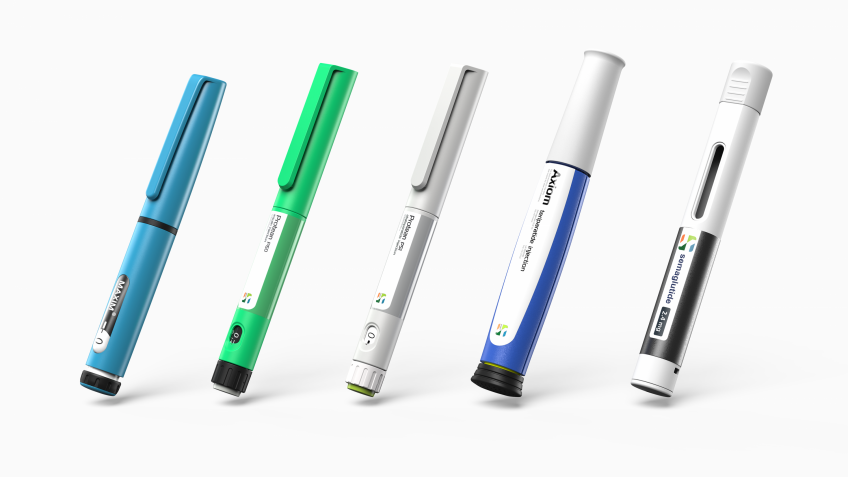
Disposable or Reusable? Manual or Auto? Pen Injector or Auto Injector?
Although many pen injectors look different externally, their internal architecture is often remarkably similar. Most consist of an outer housing, cartridge holder, dose setting mechanism, activation button and an internal drive mechanism. Different dose ranges can frequently be achieved by modifying only a small number of components within this common platform.
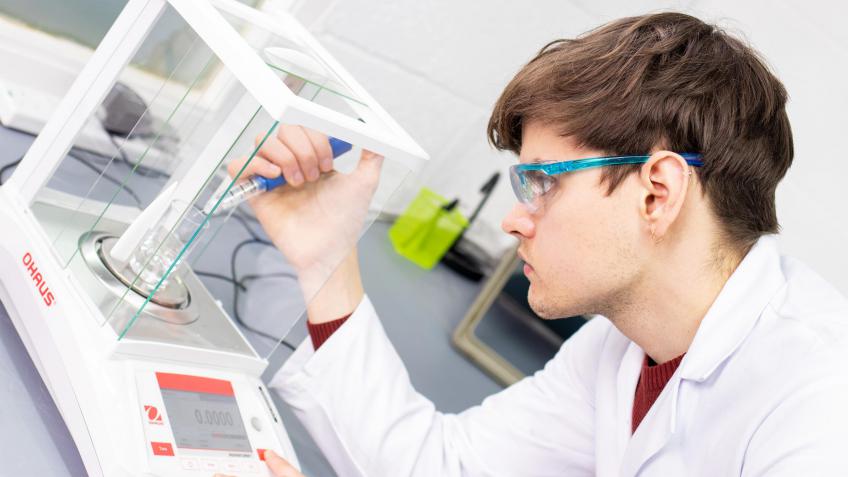
Material Selection in Injection Pens
Material selection is driven by function rather than simply cost. Every component has different requirements for strength, friction, appearance and manufacturability, so multiple engineering polymers are typically used within a single device.

One of the biggest engineering challenges is controlling friction. The drive mechanism contains multiple parts that slide or rotate against one another, directly affecting dose accuracy and operating force. Rather than selecting materials individually, the interaction between every material pair must be considered. Different polymers perform very differently when operating together, so careful selection of dissimilar material combinations is essential to minimise friction and wear.
Tolerance requirements are also a key consideration. Low shrinkage engineering polymers are selected for critical components to achieve tighter moulding tolerances. Smaller clearances improve dose accuracy, reduce backlash and allow more compact devices without compromising reliability.
The expensive high performance materials should only be used where absolutely necessary. While materials such as PEEK offers outstanding mechanical properties, its cost and processing requirements mean that where possible it is best to solve the problem through intelligent engineering design before specifying more expensive materials.
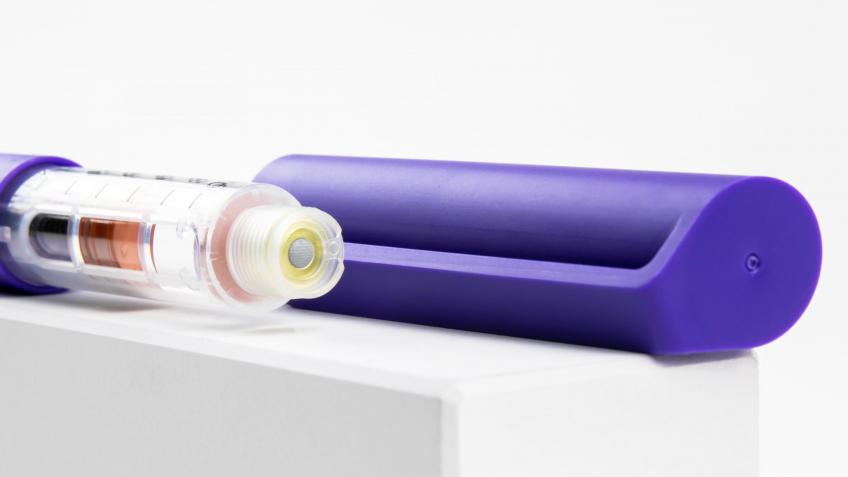
Looking Ahead
The next generation of injection pens will be driven less by new materials and more by changing drug formulations. Higher viscosity biologics, larger dose volumes and growing demand for home treatment will continue to increase the use of automatic delivery systems.
At the same time, manufacturers will look for more sustainable polymers that deliver the same engineering performance with lower environmental impact. However, cost will remain a major driver, meaning advanced materials will continue to be reserved for applications where they provide genuine engineering benefit.
The most successful injection pen developments combine engineering, regulatory strategy and intellectual property planning from the beginning. This integrated approach reduces development risk, shortens time to market and creates flexible product platforms that can support multiple therapies and future generations of drug delivery devices.
About the Author
Stephen Knowles is the Managing Director of IDC. A chartered engineer with 25+ years experience leading technical and non-technical product developments in the medical industry. With a PhD in Mechanical Engineering and a thorough understanding of design and manufacture, Stephen is often invited to speak on the subject of product development. Contact: stephen.knowles@idc.uk.com

Sign up for our top resources on product design and development