Designing Medical Devices for Home Use
Since the global pandemic and expansion of technology, healthcare is becoming increasingly less confined to just inside the hospital walls. Across the world, care is shifting into homes and community settings. Patients, carers and families are being given the tools to manage complex therapies that were once overseen by clinical staff.
This shift creates new requirements and pressures for medical device design.
Designing for the home environment challenges conventions established in clinical settings. Home use changes who uses medical devices, where they are used and what constraints surround that use. A hospital has trained staff, controlled cleaning procedures and predictable infrastructure. A home may have none of these things, and that difference must be reflected in the design process from the outset.
For teams developing devices for home care, understanding this context is fundamental. It shapes not only form and interaction but also training, safety, connectivity and maintenance throughout the device’s life. Let's explore how this is happening.
Understanding the Home Use Context
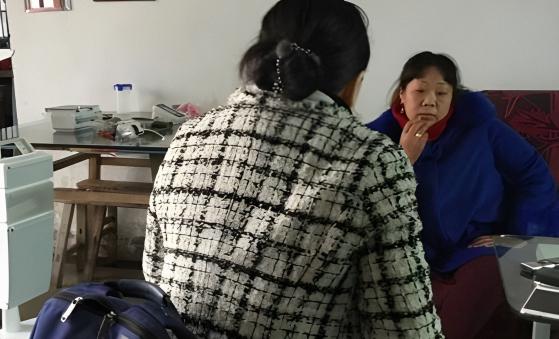
In clinical settings, device design often assumes familiarity with clinical workflows, supported by training and protocols. When a device is deployed into a home, that assumption no longer holds. Users may have no medical background, limited technical confidence and variable literacy. They may be managing emotional stress alongside practical tasks, especially when caring for others.
Designing for home use requires recognising that medical devices are no longer operated within predictable, clinical routines. When therapies move into domestic environments, the design process has to account for variation in setting, user capability and emotional context.
This shift is evident in devices such as home dialysis support systems. In a clinical environment, interfaces can assume trained users, stable setups and procedural oversight. In the home, those assumptions no longer hold. The CAPD system illustrates how design must adapt when non-clinicians take responsibility for complex daily procedures. The interface, physical handling and mechanical interactions all needed to support safe, repeatable use under everyday conditions. These considerations were addressed early, shaping the architecture of the device rather than being layered on later.
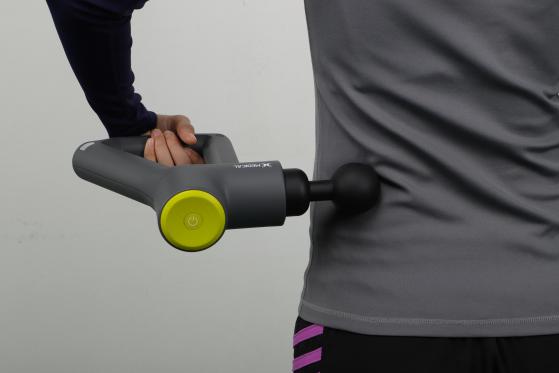
In home medical device design, ease of use is inseparable from safety. When users are responsible for operating a device without supervision, complexity becomes a risk factor in its own right. Reducing cognitive load, providing unambiguous feedback and guiding correct behaviour through design are essential parts of the medical device design process. This principle is evident in our work on self-managed therapeutic devices such as the iEase Massage Gun, developed for home use. The design challenge was not simply to create a functional mechanism, but to ensure that users could understand how to operate it correctly and confidently from first interaction. Decisions around grip and physical feedback were all made to support intuitive use without reliance on training. Ease of use also depends on how well a device communicates through its physical form. In the case of the XFT Hand Rehabilitation Glove, the product needed to support unsupervised therapeutic exercise while providing reassurance that it was being used correctly. The design incorporated clear physical cues, consistent response and predictable interaction so that users did not need to constantly reference instructions. Across these examples, ease of use is a deliberate design strategy stage which supports safety and long-term engagement when medical devices become part of daily life. Safety is always central to medical device design. In a hospital, safety barriers include trained staff and controlled procedures. In a home, these barriers may be absent. Consequently, devices designed for home use must embed risk controls within the device itself. When we approach a home device design, risk thinking is applied not as a later formality, but as a design driver. This means understanding how people actually handle equipment and which mistakes they are likely to make, potentially through information interpretation under stress or distraction. Safety considerations in home use often require redundancy in feedback and failsafe behavior that does not rely on training. These expectations influence how hardware and software are integrated and validated. They also demand that instructions for use are not documents but part of the product experience itself.Ease of Use Comes Before Everything Else
Safety and Risk in Uncontrolled Environments
Medical devices intended for home use must also accommodate hygiene needs without clinical cleaning protocols. Unlike hospital environments, homes do not have aspects like dedicated cleaning stations, personal protective equipment or staff trained in infection control. Surface detail and assembly methods must therefore support easy and effective cleaning by non-experts. When designing for home environments, we consider what users can reasonably be expected to do. This includes smooth, non-textured surfaces that resist dirt, alongside accessible user-replaceable components and clear cleaning guidance.Cleaning, Hygiene and Maintenance Without Sterile Protocols
Home devices increasingly rely on connectivity. Remote monitoring and data transmission can be essential for safety and long-term management. Connectivity must therefore be transparent and designed with the user’s privacy and context in mind. Integration with cloud platforms and remote support channels must be built into the design process, not added retrospectively. Connectivity decisions influence hardware specifications and validation strategies - when devices communicate data back to clinicians or caregivers, the integrity of that data becomes a core safety consideration. Connectivity also offers an opportunity to reduce the burden of training and support. Well-designed digital feedback can guide users through a task or alert them to conditions that require attention, all without requiring them to consult external manuals.Connectivity and Remote Monitoring
Training in a clinical environment often assumes a baseline of expertise and time allocated to learning. Home users have neither. Training for home devices must be efficient, relevant and directly tied to user tasks. Good training is not a separate module but part of the product’s interface and support ecosystem. This includes on-device guidance, companion apps and multimedia support that aligns with how people actually use the device. When users feel confident with a device, they are more likely to use it correctly and consistently. This confidence comes from repetition, immediate feedback and training that matches the context in which the device is used.Training That Understands the Real User Journey
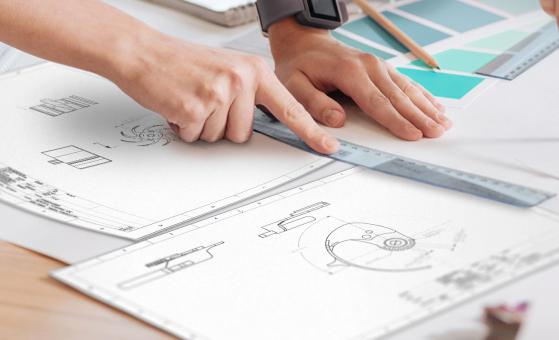
Designing for home use is not a retrospective add-on or bonus stage. It is a defining characteristic of the design process itself. It affects how requirements are written, how risk is assessed, how prototypes are evaluated and how validation is planned. This is not optional thinking - it is essential thinking for devices that will be used outside clinical environments. Our medical design process reflects this reality. Home use design decisions are integrated early, influencing architecture, interface design, prototyping and validation. We ensure that devices intended for the home can be used safely, effectively and confidently by the people who depend on them. If you want to understand more about how we apply this in practice, including examples from our work, explore our resources below:The Process That Makes Home Use Work