What Is Our 4-Stage Process for Medical Product Design?
What Is Our 4-Stage Process for Medical Product Design?
Developing a successful medical device takes more than creativity. Structure, deep market understanding and expertise threaded throughout the process are vital, otherwise you’re left with insufficient and potentially dangerous equipment.
From concept generation through to certification, each stage must combine innovation with regulatory precision. At IDC, our 4-stage process provides the framework that makes this possible, ensuring that we have the capabilities to design safe market-ready products: Explore, Create, Define and Deliver.

Why Process Matters in Medical Design
Designing within the medical sector means working to the highest standards of quality, safety, and traceability. A clear, repeatable process ensures that all design decisions are documented, tested, and compliant from the start.
Our process for medical product design is shaped by decades of experience and guided by our ISO 13485-certified Quality Management System. It’s a system that brings design, engineering, and regulatory understanding together, helping clients move confidently from idea to implementation.
Stage 1: Explore - Understanding Users and Requirements
Every medical design project begins with understanding. Our team works closely with clinicians, patients, and stakeholders to identify real-world needs and use scenarios.
This stage includes:
User and market research – learning how and where the product will be used
Requirements definition – documenting functional, usability, and regulatory needs
Risk management planning (ISO 14971) – identifying and mitigating potential hazards
By grounding design in evidence and user insight, we build a foundation that supports compliance and usability from the outset.
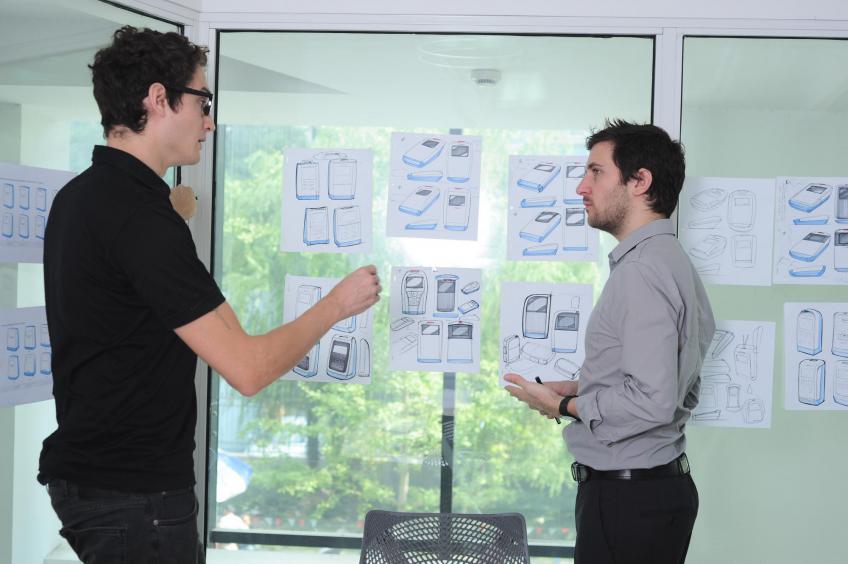
Once the requirements are clear, we move into exploration. Our designers and engineers generate multiple concepts that address clinical needs, user comfort, and technical feasibility. This stage combines creative ideation with technical validation, supported by early models and visualisations. We use sketching, CAD, and physical mock-ups to evaluate form and function quickly. Collaboration between disciplines ensures that the chosen concept is both innovative and manufacturable. At this stage, we also begin aligning designs with relevant standards such as ISO 60601 and IEC 62366, ensuring the path to approval remains clear. Learn more about how we integrate creativity and structure in our development process.Stage 2: Create - Concept Development and Feasibility
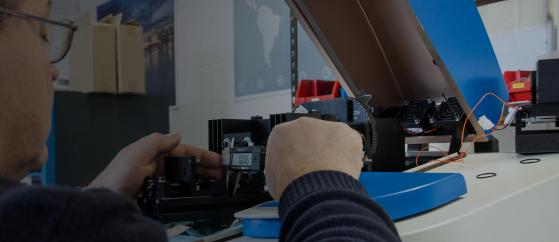
With a direction defined, the design is refined and engineered in detail. Our team optimises every aspect, from component layout and materials to ergonomics and user interface, ensuring performance, reliability, and safety. During this stage, we produce high-fidelity prototypes for usability testing, verification, and validation. This hands-on evaluation allows us to confirm that the design meets clinical and regulatory expectations before final manufacture. All work is carried out under our ISO 13485 quality system, maintaining traceability through design reviews and documentation updates.Stage 3: Define - Refinement and Engineering
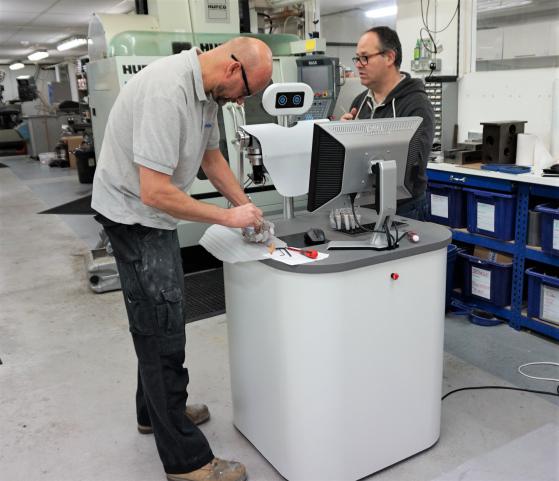
This stage is where a robust design and prototype is transformed into a commercially available, production-ready product. We work closely with global suppliers and manufacturing partners to embed our design intent into reliable, scalable production processes. At the same time, we collaborate with test houses and regulatory authorities to ensure compliance and approval. For medical devices, this means our regulatory specialists work alongside design and engineering teams to compile the full technical and quality dossier, from risk files and verification/validation testing results to production and process controls. This ensures full traceability, regulatory compliance, and readiness for submission under regimes such as MDR (EU) or FDA 510(k) (US). Typical activities at this stage include: Transferring the prototype design to manufacturing-ready production, often via IDC’s in-house prototyping facility or through partnering suppliers Working with external test houses to carry out verification and validation testing against all user, safety and regulatory requirements Compiling technical documentation, Design History Files (DHF) or equivalent documentation, including risk management, test data, and manufacturing quality control processes Coordinating testing and certification efforts to support regulatory submissions and approvals This integrated approach ensures that every device leaving IDC is backed by documented evidence and quality systems to satisfy global regulatory requirements and ready for safe, reliable manufacture.Stage 4: Deliver - Verification, Regulatory Support, Product achievement
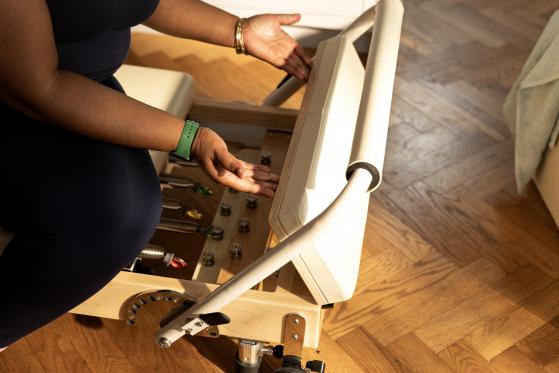
Our 4-stage process connects creativity, engineering precision, and regulatory rigour into one seamless workflow. Each stage builds on the last, reducing risk and ensuring that usability and compliance evolve together. From early research to final certification, our structured approach helps clients bring innovative medical products to market with confidence, clarity, and care. Get in touch with us today to find out more about our process, or get your product journey rolling.A Complete Path from Idea to Approval