What is Manufacturability?
Put simply, manufacturability describes how easily and reliably a product can be produced at scale while meeting performance and cost expectations. It is created through the design decisions made long before production begins, not a property that shows up in the later stages.
For teams moving from prototype into manufacture, manufacturability becomes one of the most decisive factors in whether a product succeeds commercially. Designs that ignore production realities accumulate hidden risk. Designs that respect them early tend to progress with greater stability through predictable control.
This is why manufacturability sits at the centre of how we structure development work, alongside usability, safety and technical performance.
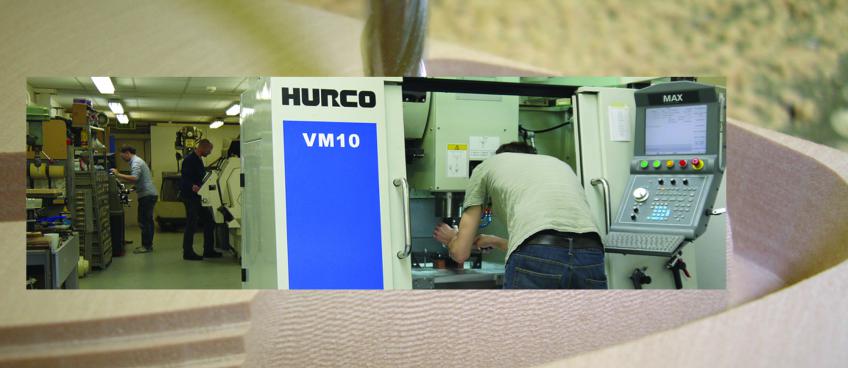
Why Manufacturability Matters in Product Development
Every product concept carries assumptions about materials, processes, assembly methods and tolerances. When those assumptions are not tested against real manufacturing constraints, problems surface later when change becomes expensive and disruptive.
Manufacturability reduces this exposure. It aligns design intent with production capability, so that engineering effort translates into consistent output rather than repeated redesign. When teams understand what the factory can realistically achieve, decisions become clearer, and development moves forward with fewer surprises.
The result is reduced complexity, more stable quality and shorter time to market.
Material Selection as a Manufacturing Decision
Material choice influences almost every downstream decision. Strength, surface finish, chemical resistance and durability all matter, but so do availability, consistency of supply and compatibility with manufacturing processes.
Selecting materials without considering how they will be processed often leads to unnecessary compromises later. Changes to tooling or alternative suppliers can cascade through a programme, introducing delays and cost. When material selection is grounded in manufacturing reality from the start, these risks are substantially reduced.
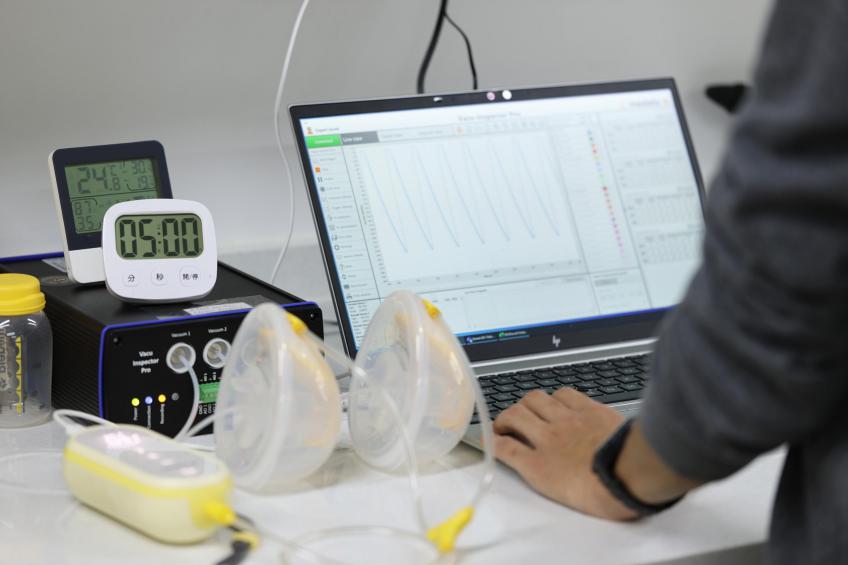
The manufacturing process is not just a method of production - it actively shapes product performance and appearance. Injection moulding, machining, casting and additive processes all impose different constraints on geometry, surface quality and achievable tolerances. Designs that respect these constraints behave more predictably in production. Those that do not frequently require corrective work that erodes both budget and schedule. Understanding process capability early allows designers and engineers to make informed trade-offs that protect product integrity without sacrificing feasibility. Tolerances express how precisely parts must be made and assembled. Excessively tight tolerances increase manufacturing cost, scrap rates and inspection burden. Loose tolerances, when poorly considered, introduce functional and aesthetic risk. Manufacturability lies in selecting tolerances that are appropriate for the function of the product and achievable within the chosen process. This requires collaboration between design and manufacturing disciplines, supported by experience of how small changes propagate through real production systems.Process Choice Shapes Product Behaviour
Tolerances Are a Cost Driver
Products are rarely manufactured as single components. They are assembled from multiple parts, often by a combination of automated and manual operations. Assembly strategy therefore becomes one of the strongest influences on both cost and reliability. Designs that simplify assembly reduce labour, improve consistency and minimise opportunities for error. This extends beyond part count into how components will align and interact during build. When assembly is considered as part of the design problem rather than an afterthought, manufacturability improves across the entire lifecycle. In our development work, manufacturability is addressed from the earliest stages of design. Production considerations are incorporated directly into concept development, shaping decisions as ideas take form. This ensures that products evolve within realistic manufacturing parameters, supporting reliable production and predictable cost from the outset. You can see how this thinking is integrated into the broader development framework described within our design and delivery process.Assembly Determines Efficiency and Reliability
Manufacturability in Practice
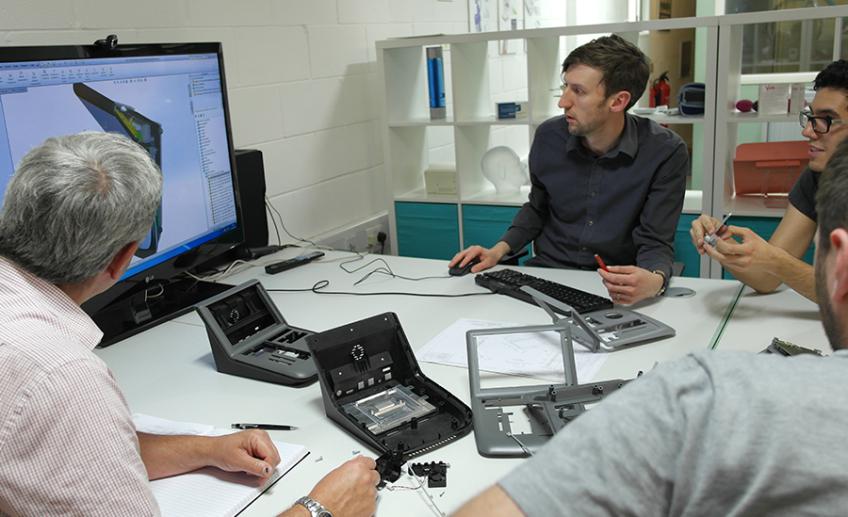
Prototypes exist to explore ideas and test assumptions. Production demands discipline, repeatability and control. The transition between the two is where manufacturability proves its value. When manufacturability is embedded early, that transition becomes smoother. Designs enter production with smoother flow and fewer unknowns, followed by fewer late-stage compromises and greater confidence in the final outcome. For teams preparing to scale, this discipline often becomes the difference between a promising concept and a commercially successful product. Start that journey with our team today and bring your next product to life.From Prototype to Production with Confidence