The First Stage of Medical Device Design is Always the Most Vital. Here’s Why
In medical device design and delivery, outcomes are shaped long before a product reaches verification or regulatory submission. The earliest decisions define how safely a device can be used, alongside the efficiency of its manufacture and how smoothly it passes regulatory review. When these decisions are made deliberately and with the right expertise, development progresses with clarity. When they are not, issues surface later when change is costly and constrained.
This reality underpins how our team at IDC approaches medical device design. Early-stage work is where risk can be removed, usability can be designed in and regulatory expectations can be addressed structurally rather than retrospectively.
By focusing effort where it has the greatest leverage, we help ensure that later stages confirm good decisions instead of exposing fundamental weaknesses. Let’s explore how we do this.
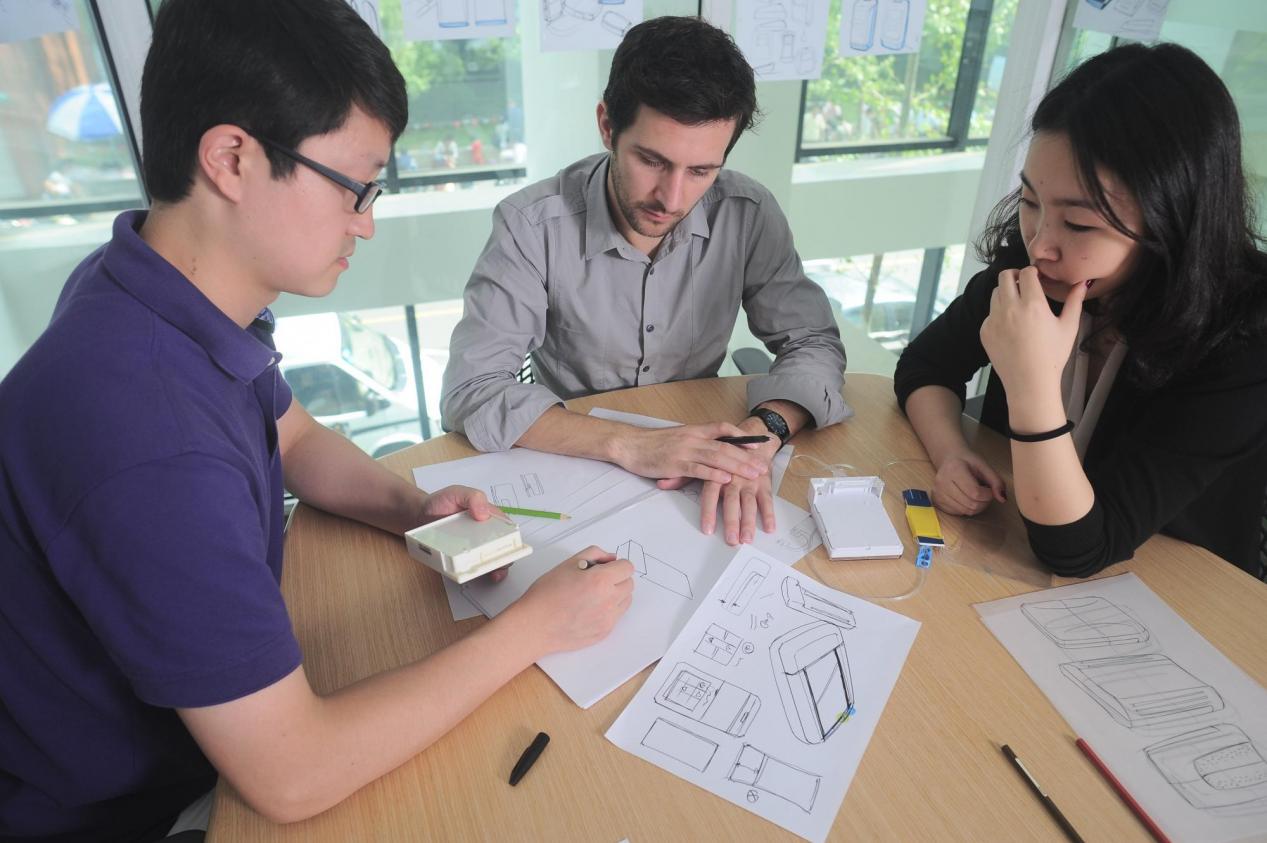
Early Requirements Define Design Success
Requirements are not an administrative starting point. They are the foundation of medical device design. Well-constructed requirements align user needs, technical performance, safety expectations and regulatory intent into a single, traceable framework.
Our requirements development is evidence-led and grounded in real-world use. Clinical context, foreseeable misuse and applicable standards inform how requirements are structured and prioritised. As design evolves, requirements are refined in a controlled manner, maintaining traceability without restricting innovation. This approach ensures that verification and validation activities later in the programme demonstrate compliance with confidence rather than uncovering gaps.
Risk Management Has the Greatest Impact at the Start
Risk management is most effective when it informs design decisions, not when it is applied to justify them after the fact. Early in development, hazards can be addressed through layout, interaction design, material selection and system architecture. Later, options narrow and mitigation often relies on procedural controls or warnings.
We integrate risk thinking directly into early concept development. Hazards influence how systems are structured and how users interact with them. This aligns naturally with ISO 14971 and supports inherently safer designs. Risk is treated as a design input that improves clarity and decision-making, rather than as a documentation exercise that runs alongside development.
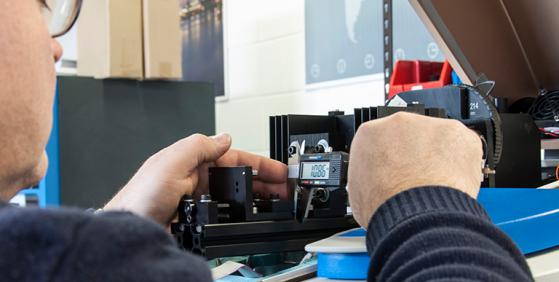
Usability outcomes are largely determined before summative testing begins. Once workflows, interfaces and physical architectures are fixed, opportunities for meaningful change are limited. Our usability engineering work starts early and informs core design decisions. Formative evaluation shapes task flow, information hierarchy and physical interaction while change is still practical. This reduces dependence on training and instructions, which are among the weakest risk controls. The result is medical device design that supports intuitive, safe use and stands up to regulatory scrutiny. Prototyping is most valuable when it is used to challenge assumptions early. Physical and functional prototypes reveal ergonomic issues, integration challenges and usability risks that are difficult to identify in CAD alone. We use prototyping to support decision-making throughout early development. Models are created to test scale, reach, force and workflow. As concepts mature, prototypes support usability evaluation and verification planning. This ensures learning happens while it can still influence direction, rather than confirming decisions that are already fixed.Usability Is Established Long Before Validation
Early Prototyping Enables Better Decisions
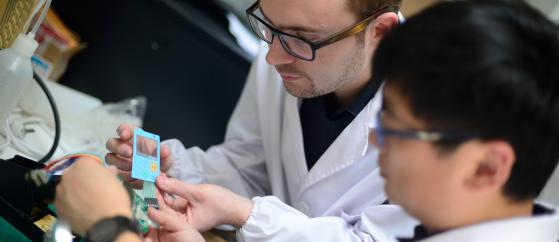
Regulatory approval reflects the quality of decisions made throughout development, not activity concentrated at the end. Documentation and evidence must consistently support design intent from concept through to validation. We design medical devices with global regulatory pathways in mind from the outset, including UKCA, EU MDR and FDA requirements. Verification and validation strategies are planned alongside development activities. Design history files evolve as part of the process, supported by clear rationale and objective evidence. This integrated approach has underpinned all of our years of work across the medical sector. Medical device design is decided early. Late-stage refinement improves finish but can never repair unsettled fundamentals. Our approach focuses effort where it delivers the greatest impact. By establishing strong foundations early, we help avoid redesign cycles, delays and compromises later in development. For further context on how this approach is applied across regulated medical programmes, take a look at our Medical Product Design or Medical case studies.Regulatory Success Is Designed In
Why Early Decisions Matter More Than Late Refinement