How to Choose the Right Prototype Fidelity at Each Stage of Development
Prototype fidelity can be a topic that companies mistake as being academic, until they’ve paid the price of getting it wrong.
Errors occur when teams either build something too crude to be useful, or so polished that nobody wants to change it. Both mistakes can slow development and bury risk until it becomes expensive to fix. The discipline is not about how impressive a prototype looks, instead about choosing the right level of realism at the moment it matters most.
That is how we approach prototyping at IDC, across everything from early concept work to regulated medical systems, using prototyping as a decision tool rather than a demonstration exercise.
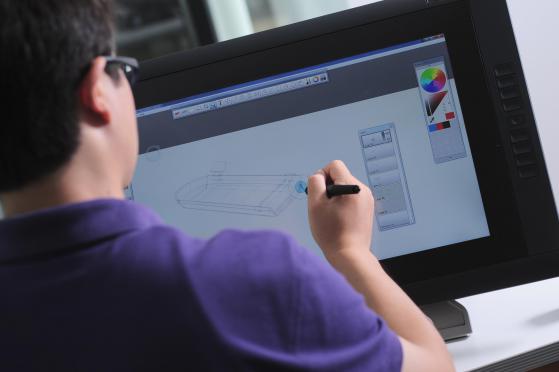
What Fidelity Actually Controls
Fidelity determines which questions a prototype can answer:
A low fidelity model asks: Is this the right idea?
A medium fidelity prototype asks: Does this idea behave the way we expect?
A high fidelity prototype asks: Will this survive the real world?
Once you understand these fundamentals, choosing fidelity becomes all about timing.
Low Fidelity: Where Direction is Set
In the early phase, speed and openness matter more than precision.
Foam, card, rough printed forms and improvised assemblies allow teams to explore shape, size, reach, balance and basic interaction without the emotional weight of detailed engineering.
These models invite critique.
They get handled, abused, compared and discarded - that is exactly their purpose. At this point, the most valuable outcome is the insight that stops the team from moving forward on the wrong path.
Medium Fidelity Prototypes: Where Risk Is Exposed
A medium fidelity prototype is where development becomes serious.
These builds carry enough structure and interaction detail to reveal problems that concept models simply cannot show. Mechanisms start behaving as they should - like mechanisms. Interfaces start behaving like interfaces. Integration challenges surface in ways CAD rarely predicts.
They are still incomplete, still flexible, but now honest. Most of the design decisions that truly shape a product’s future are either confirmed or overturned at this stage. This is where many projects quietly succeed or fail.
High fidelity prototypes are all about proof. Crucial factors - material behaviour, tolerances, assembly sequences, durability and performance - converge in builds that look and behave like the final product. These prototypes carry the responsibility of validation and regulatory confidence. By the time a team reaches this stage, the fundamental questions should already be settled. Every development phase has a different risk profile. Early risk is about direction and user behaviour, whilst later risk is about execution and reliability. Using the wrong fidelity at the wrong time either conceals problems or creates false certainty - both are dangerous. Choosing fidelity deliberately allows learning to happen early, cheaply and clearly. That is what keeps development moving forward with control instead of correction.High Fidelity: Where Confidence Is Earned
Why Matching Fidelity to Stage Matters
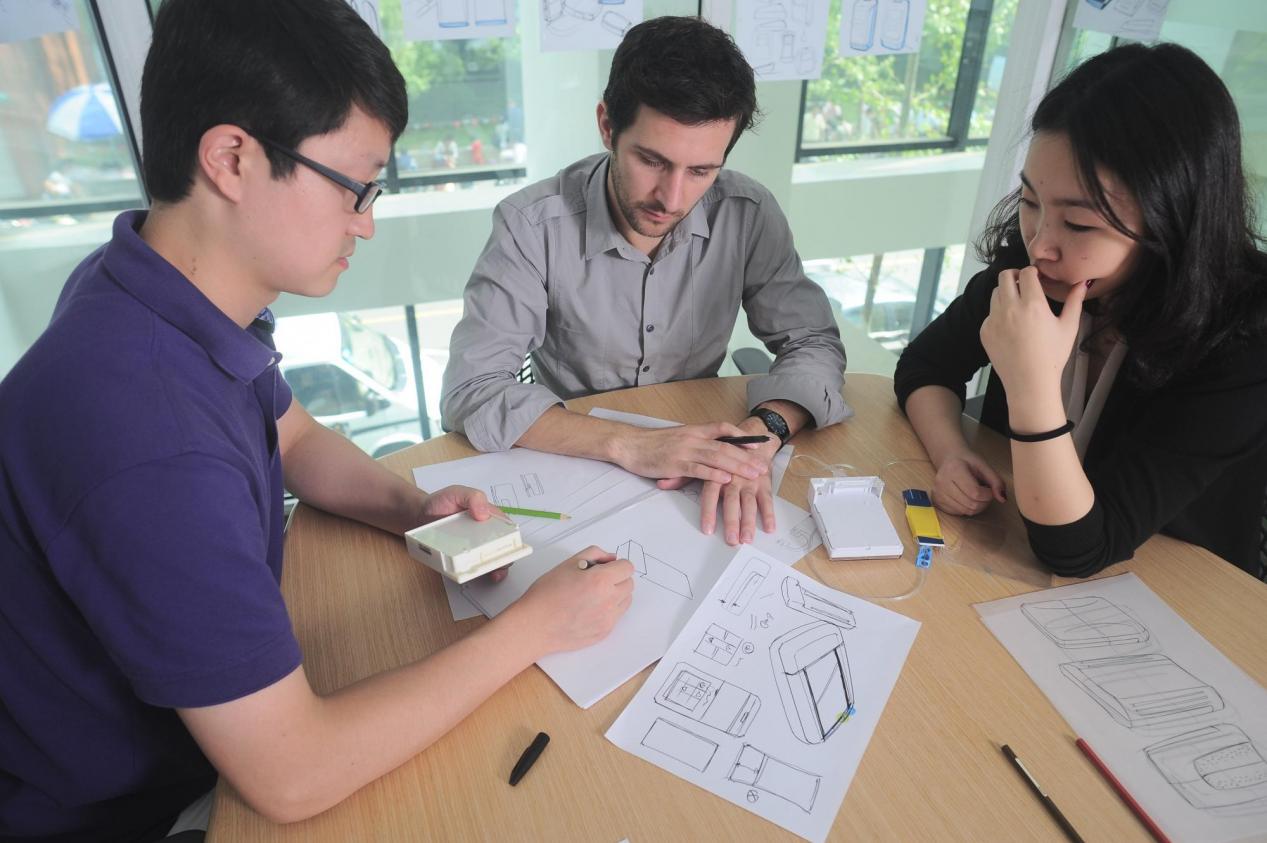
At IDC, fidelity strategy is planned alongside technical risk, user uncertainty, regulatory expectations and commercial constraints. It is not a technical detail left to the end of design reviews. It is part of how projects are structured from the outset through our integrated product development services. The result is not just better prototypes: it is a cleaner decision making process and better choices made earlier, with far fewer surprises later on. Get in touch with our team today to bring your next project to life.How We Guide These Decisions